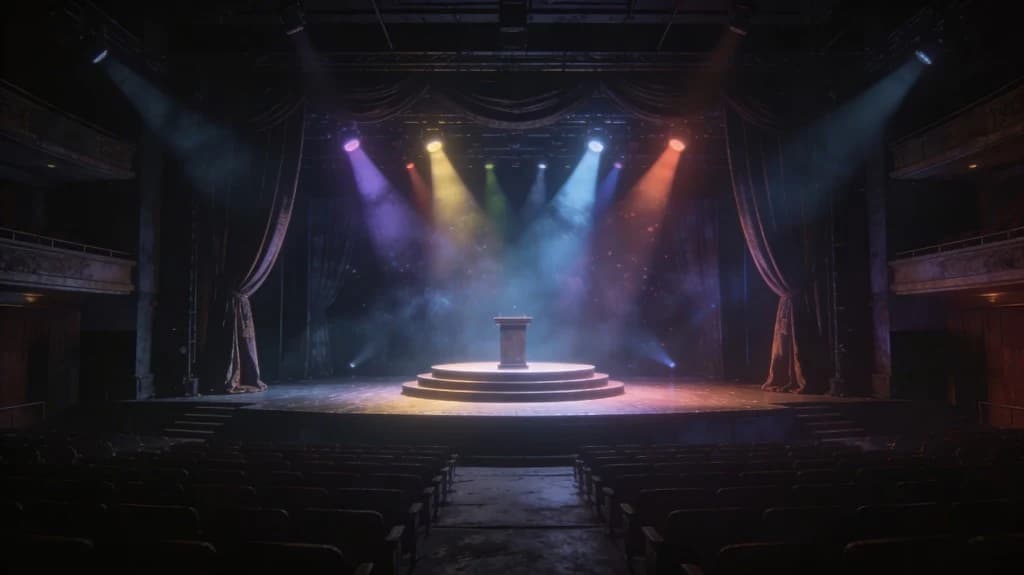
Magic up close to what’s real — and to how we look
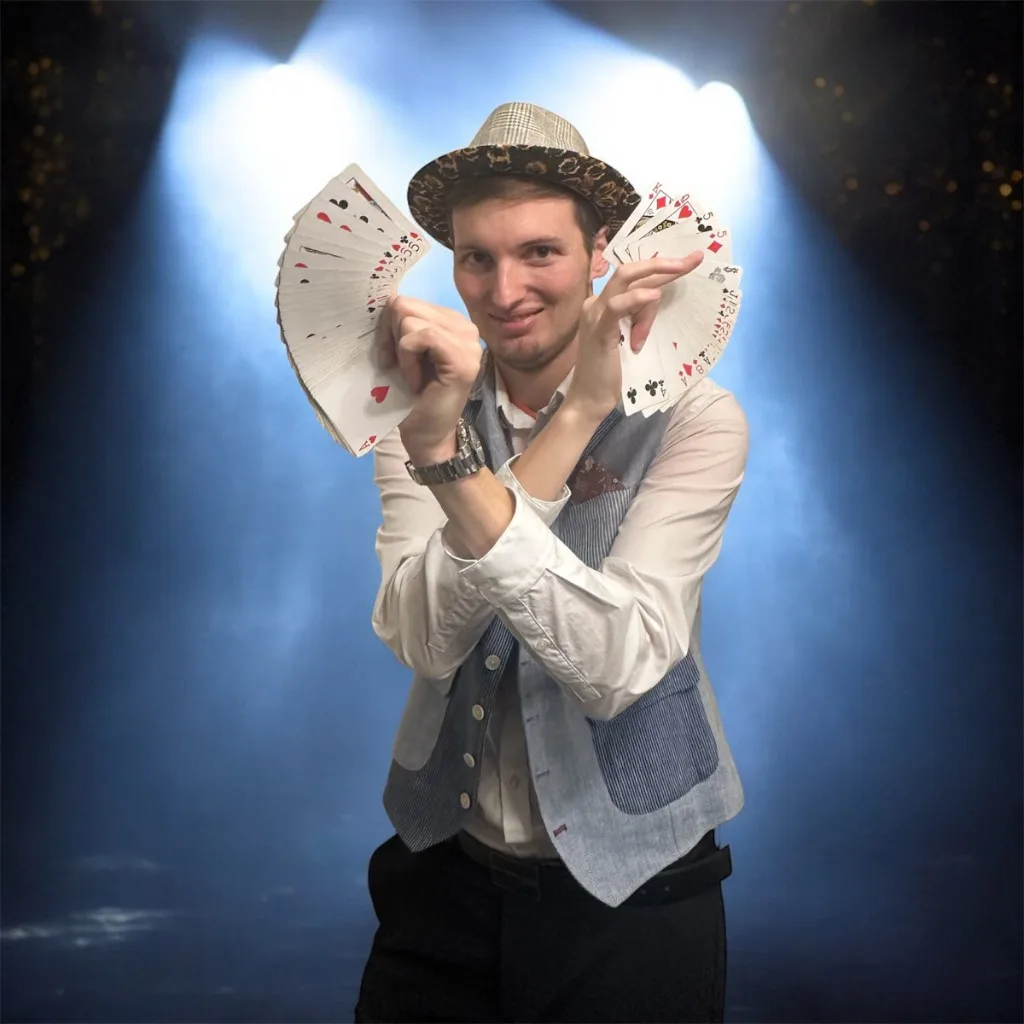
As a mentalist and magician, I work close-up, stage, and hybrid formats where technique meets mentalism or digital tools. What guides me is wonder with substance — space to see differently how we perceive, anticipate, and tell ourselves what is happening before our eyes.
A passion since childhood
Magic, training, and how I read the room
Magic has fascinated me since I was a child — that mix of wonder, gentle tension, and instant connection with others. Beyond the trick itself, what draws me is when people share one focused moment together: the performance becomes alive, shared, human.
To shape that passion, I was fortunate to learn and grow especially alongside Hiro — a mentalist and magician in Paris with a rigorous practice of close-up and stage work. His site hiromagie.fr reflects his world: artistic discipline, direct connection with the public, and a way of making illusion live across very different settings. That outlook has deeply influenced mine — from close-up and mentalism to formats that speak to digital culture.
Over time, magic above all helped me understand human psychology better: where attention goes, how we anticipate, what moves or reassures us. A good effect never works by accident — it plays with mechanisms close to what cognitive science studies: mental load, attentional bias, anchoring, confirmation bias, the stories our minds complete on their own. Knowing them means using them with care and respect: surprise without humiliation, wonder without cheap manipulation. Reading the room that way is what guides my work — on stage and up close.
Three threads in how I work
Professionalism — presence — adaptability
Professionalism
Clear framing, listening, and technical care. Solid reference points so the magic stays readable and refined — everyone knows where to look.
Experience
Very different settings — small groups, larger rooms, indoors or out — shaped into pacing, attention, and what still matters after the trick.
Adaptability
Every moment has its own weight: length, format, and tone can shift so the magic serves the people there and the feel of the space — not the other way around.
Complementary specialties
From intimate close-up to more frontal moments, including formats that speak to digital culture — many ways to share wonder.

Close-up & walkaround
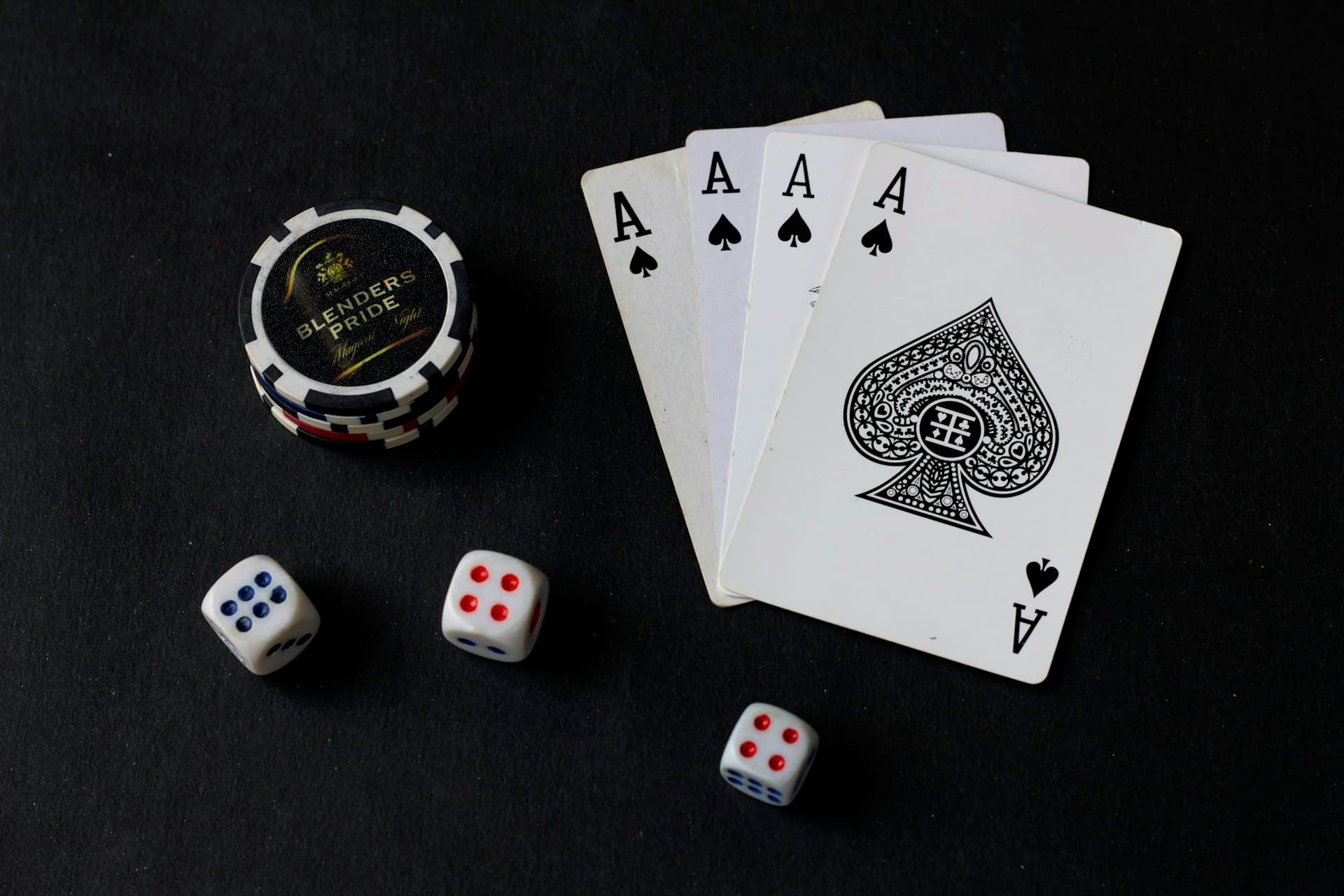
Cards, everyday objects, tight back-and-forth with the room: intimate formats where connection grows in proximity — no stage or screen required.
Mentalism
Suggestion, intuition, impossible coincidences — a register that holds attention and stretches the conversation around real topics: innovation, communication, decision-making, or any thread you want to explore.
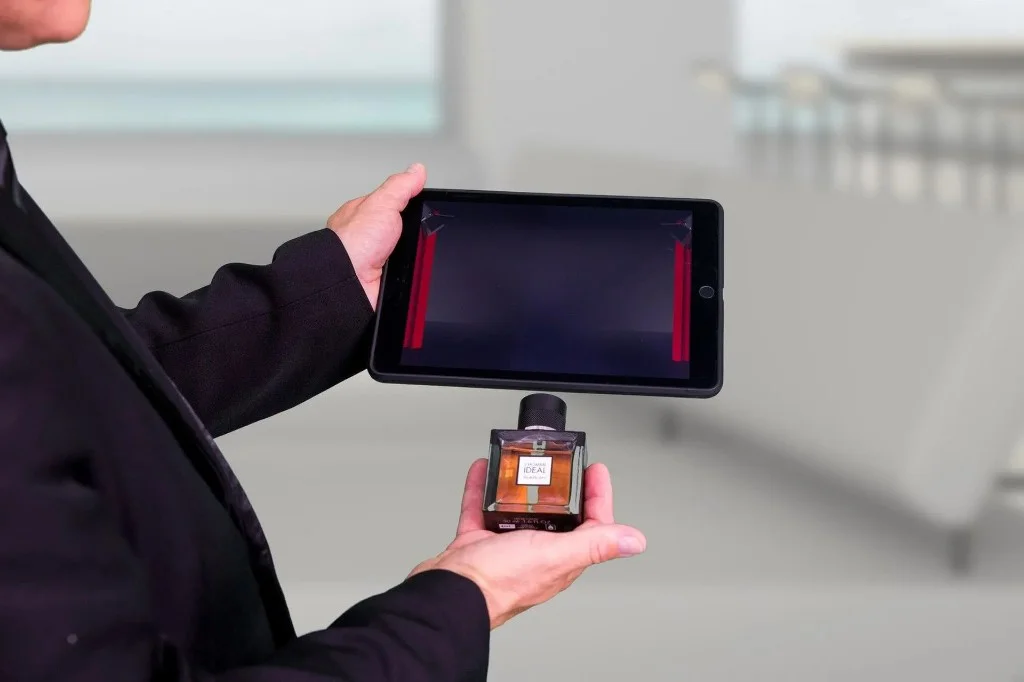
Magic & technology
When tech meets illusion: contemporary visual pieces for people who like mixing cards, screens, and story — without letting gadgets erase presence.
Different ways of being together
When many people share the same space
In a shared setting — professional or not — magic can act as a spark: renew curiosity, soften the air, give wonder a common language. Not a communications template — another way to be present together.
Smaller circles
Around a table or in a living room, when faces already know each other: magic can add surprise without forcing the tone — sometimes light, sometimes more reflective, always leaning into connection rather than noise.